How To Say Goodbye In Japanese Restaurant

10 Useful Ways To Say Goodbye In Japanese Fluentu Japanese
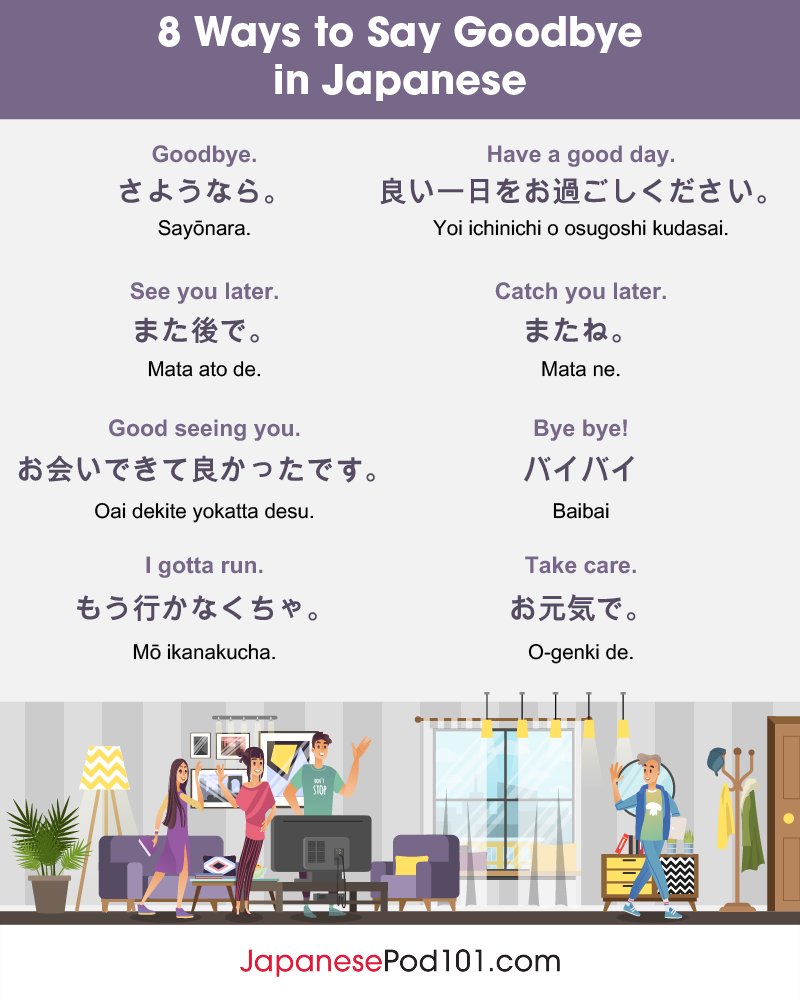
8 Ways To Say Goodbye In Japanese Learn Japanese Japanesepod101 Com Facebook

Saying Goodbye In Japanese With Images Japanese Phrases Japanese Language Learn Japanese
How To Say Good Morning In Japanese 9 Other Greetings
How To Say Goodbye In Japanese Learn It Now Japanese Tactics

10 Essential Japanese Phrases To Use At Restaurants In Japan Japan Web Magazine
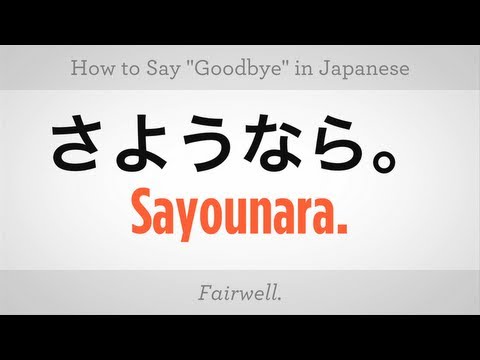
Sayounara さようなら is the direct japanese equivalent of goodbye but is not commonly used by native japanese speakers.
How to say goodbye in japanese restaurant. So there are loads of ways to say goodbye in japanese. Bye in japanese baibai. If you really want to see that person again you can even say mata zehi また是非 to say let s meet up again. This one is easy.
On this episode of ichimon japan we ask. How most people that don t speak japanese would say goodbye in japanese. Otherwise you can simply say tanoshikatta desu 楽しかったです to say you had fun and express that you enjoyed your time with that person. Japanese words for goodbye include さようなら 決別 いとまごい さよなら and サヨナラ.
Actually sayounara has a strong sense of finality to it and means there is a good chance you might not be meeting the other person for quite some time. So avoid using this term if you want to look badass or if you are in a professional environment. Fortunately we will now show you more formal ways to say goodbye in japanese. It s said the same as in english and it s another common casual way to say goodbye.
You would just look ridiculous. Reasons why people in japan tend not to use sayonara sayōnara frequently. The most professional forms to say goodbye in japanese.
Does hai mean bye in japanese. You have probably heard sayōnara before which is the most common form of saying good bye. For a language that prides itself on formality this may seem a bit casual but think about how you say goodbye in english most of the time. A slight variation on じゃあね is またね mata ne or じゃあまたね ja mata ne.
By using baibai to say goodbye you agree to look cute as a teletubbie or a schoolgirl. The literal translation of you look tired might sound like. Learn how to say goodbye in japanese with an audio file to hear how it is pronounced. The safest way to bid your goodbye as your colleague is leaving at the end of the workday is by saying otsukaresama deshita.
Pronouncing goodbye in japanese. You may have also heard shitsurei shimasu another formal farewell phrase which translates literally to i m being rude by leaving your presence.
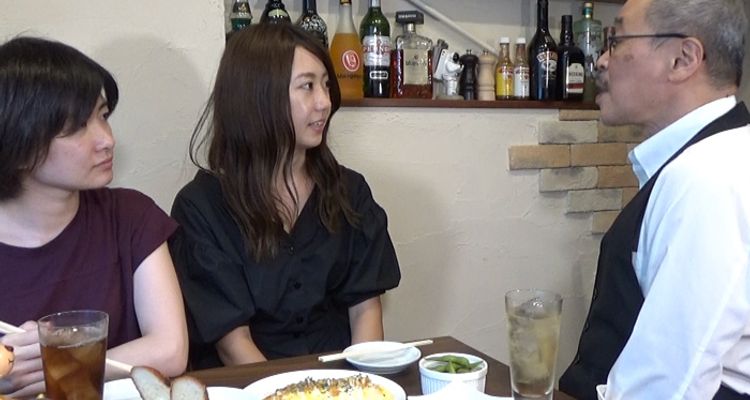
Useful Phrases At Restaurants While Dining When Leaving Tsunagu Japan

3 Ways To Say Bye In Japanese Youtube
Japanese Word For Goodbye

How To Say Goodbye In Several Different Languages Language Learning Languages Japanese Language

How To Say Goodbye In Japanese

Common Way To Say Goodbye In Japanese Korean Language Learning Learn Korean Korean Lessons

Sayonara Are There More Expressions Of Goodbye In Japanese With Images Japanese Language Learning Japanese Language School Japanese

Wait Sayonara Isn T Natural Japanese Check Out The Curious Ways To Say Goodbye In Japanese Live Japan Travel Guide

The Secrets Of Sayonara Gaijinpot

24 Unique Ways To Say Hello In Japanese Audio Japanese Phrases Say Hello In Japanese Japanese Language Learning

20 Basic Japanese Phrases You Should Know When You Travel To Japan


