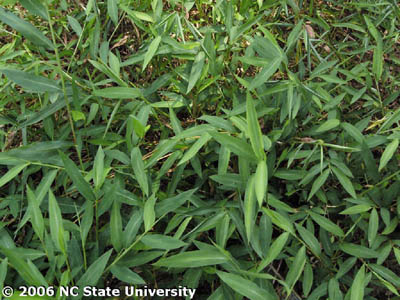
Japanese Stiltgrass Benefits

Japanese Stiltgrass

Japanese Stiltgrass U S Fish Wildlife Service
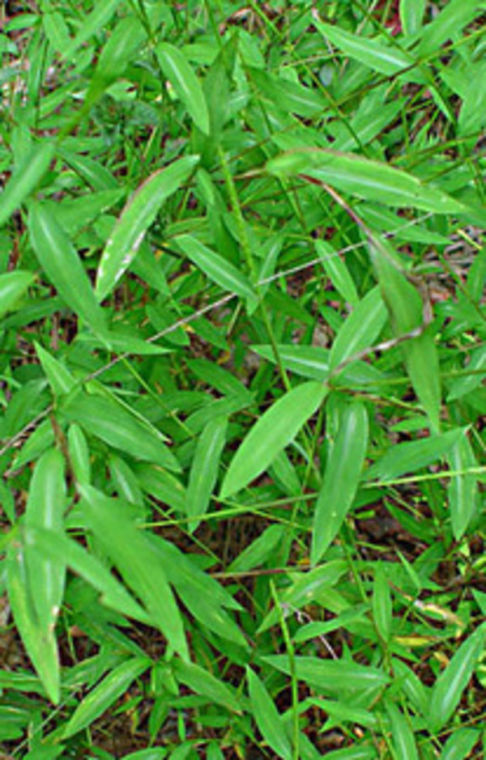
Japanese Stilt Grass And Voles Travel And Outdoors Fredericknewspost Com

Japanese Stiltgrass A Pesky Annual Grass You Should Get Rid Of Green Turf Care

Japanese Stilt Grass Control Strategies Allentuck Landscapes

Safely Get Rid Of Japanese Stilt Grass Whyy

So let the plants grow taller than normal and torch.
Japanese stiltgrass benefits. This plant s prolific seed production and rapid growth helps it dominate entire habitats edging out native vegetation. Because it germinates quickly on bare soil it may play a short term role in soil stabilization. Japanese stiltgrass is an annual grass with all plants dying each fall. Besides historical uses as a packing material and basket weaving no other direct benefits are known.
Once you see them side by side you ll likely agree. Japanese stiltgrass is an annual plant not a perennial. Japanese stiltgrass which can prevent native plants from growing was found at a nursery in york county according to state officials. Weed seed japanese stiltgrass microstegium vimineum japanese stiltgrass is an invasive plant found in a variety of habitats including forests wetlands and disturbed areas.
Japanese stiltgrass microstegium vimineum. I want to share some of the information i learned especially as it relates to japanese stilt grass microstegium vimineum which i wrote about last week since japanese stilt grass is an annual grass the primary goal is to prevent it from producing seeds. Individual plants may produce 100 to 1 000 seeds that fall close to the parent plant from both self fertilizing and cross. Severely invasive grass found in york county.
Once established this grass is able to spread quickly and replace. Stilt grass is a threat to biodiversity and natural ecosystems. Vimineum was originally documented in tennessee in 1919 and is believed to have been accidentally introduced to the united states through its use as a packing material. Though various sources say nimblewill looks like japanese stiltgrass creeping bentgrass and bermuda grass it doesn t look like any of those species to me.
Japanese stiltgrass microstegium vimineum is an invasive grass that threatens native plants and natural habitats in the eastern united states native to japan china central asia and india. Japanese stiltgrass is a plant that came over to the united states in 1919 in tennessee as a kind of packing material for china and other uses says state horticulturalist gary fish. This past summer i attended a workshop given by nofa organic land care on the organic management of invasive plants in the landscape. Despite being non native in the united states it serves as a host plant for some native satyr butterflies such as the carolina satyr hermeuptychia sosybius and the endangered mitchell s.
It is a colonial species that spreads during the summer and fall by rooting at stem nodes that touch the ground. It depends on seeds dropped in the fall to survive year to year just like crab grass.
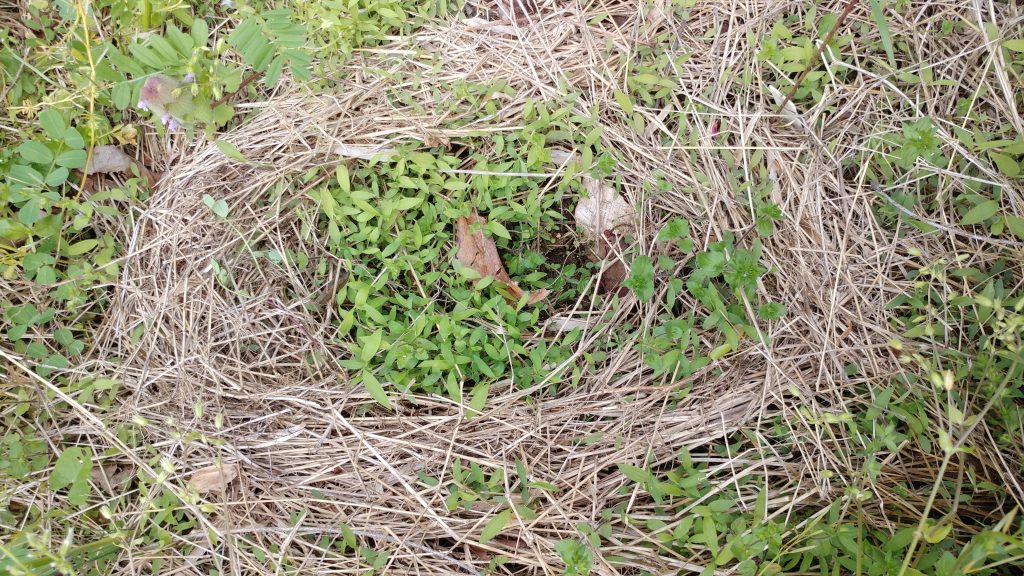
In Defense Of Stiltgrass Nomad Seed Project
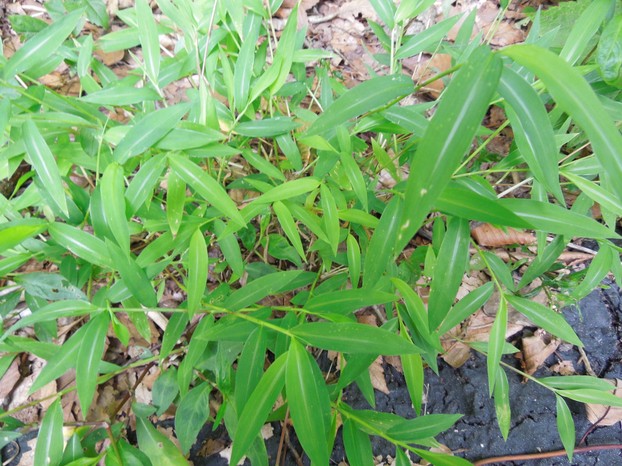
Japanese Stiltgrass
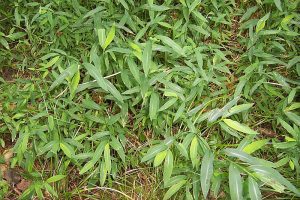
Learning And Managing Japanese Stiltgrass On Your Property

11vipz2xu7ey1m

Controlling Crabgrass Japanese Stiltgrass News Break

Japanese Stiltgrass Arthurized Home

Why I Hate Japanese Stiltgrass Reasons 1 1000 Piedmont Gardener
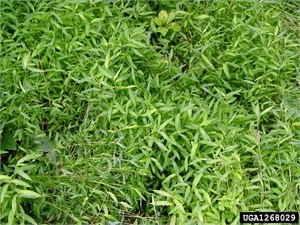
Goats In The Woods Hawk Mountain Sanctuary Learn Visit Join
Mcall Com Lehigh Valley Master Gardeners August 2018
How To Control Japanese Silt Grass In 2020 Grass Meaning Grass Gardening Blog
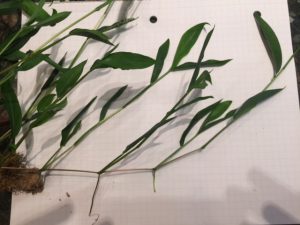
Japanese Stiltgrass Good News Bad News Planters Place