Japanese Stiltgrass Biological Control

Update On Biocontrols For Invasive Plants Environment
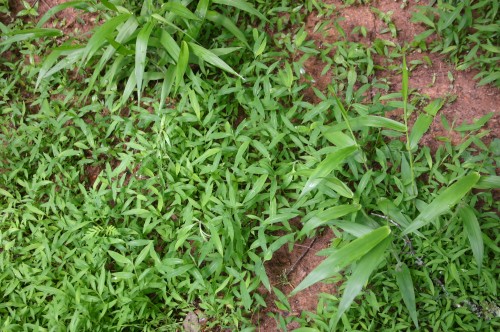
Microstegium Basketgrass Stiltgrass New Disease For Possible Control Walter Reeves The Georgia Gardener

How To Control Japanese Stiltgrass In Your Yard Invasive Garden
Http Engagedscholarship Csuohio Edu Cgi Viewcontent Cgi Article 1085 Context Scibges Facpub
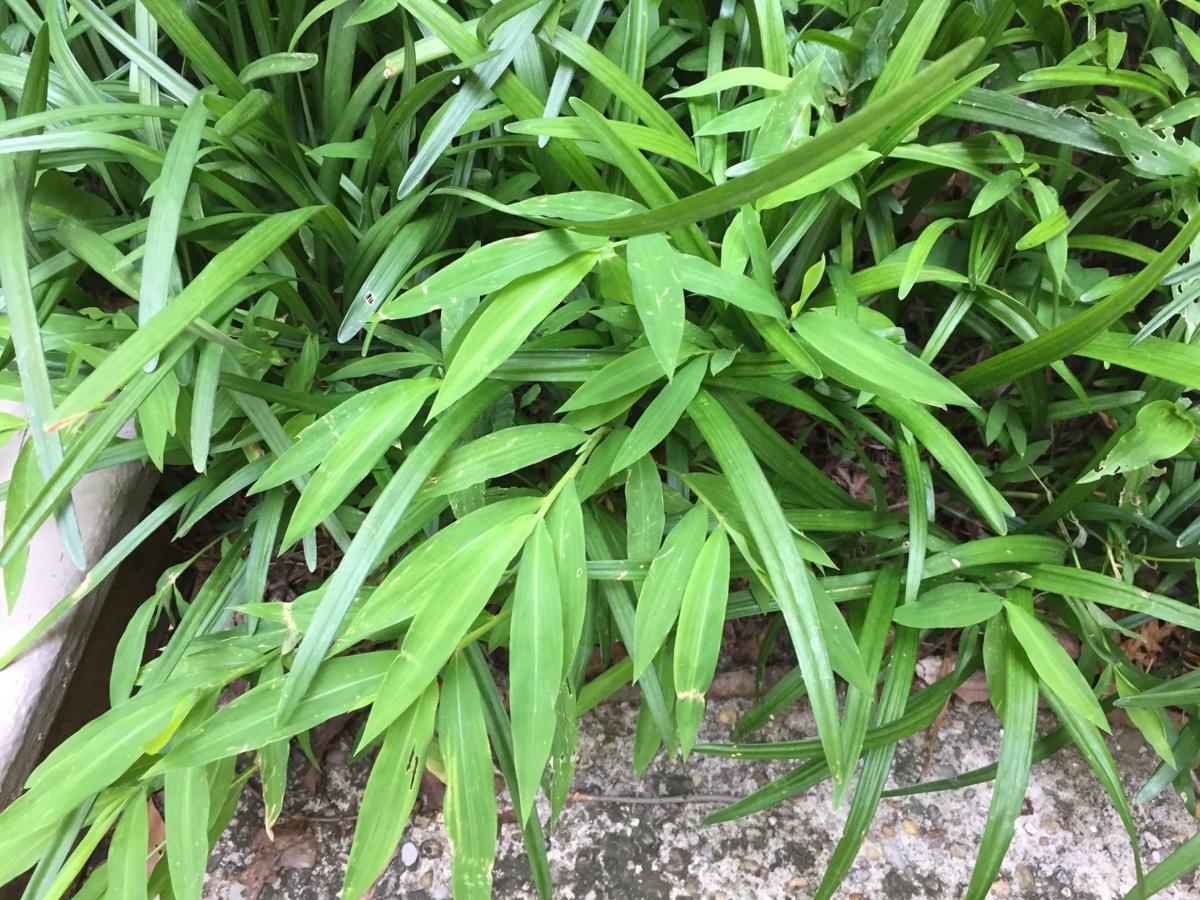
Gardening Q A Fending Off An Invasion Of Japanese Stiltgrass Richmond Com

Highly Invasive Japanese Stiltgrass Microstegium Vimineum Backyard Plants Invasive Plants Plants

A variety of control methods are available for stiltgrass depending on the extent of the infestation the type of habitat and.
Japanese stiltgrass biological control. Microstegium vimineum commonly known as japanese stiltgrass packing grass or nepalese browntop is an annual grass that is common in a wide variety of habitats and is well adapted to low light levels. Control strategies include early spring to early summer herbicide applications for maximum efficacy. It is a. Monitoring a managed site free of stiltgrass for the three to five years after treatment may be essential to deplete the seedbank completely.
Preliminary research suggests that there may be potential biological control agents that can be used in a classical biological control program in the united states. However in 2009 a leaf blight fungal disease bipolaris sp was found on stiltgrass populations in west virginia. Biological no biological controls are currently available for this plant. We compiled a test plant.
Japanese stiltgrass microstegium vimineum is an invasive annual grass. It is highly competitive in the shade and can also invade lightly shaded to full sun areas. It is currently being evaluated for use as a biological control agent. Mike mcgrath shares tips and tricks to getting rid of those pesky weeds in your lawn without all the fire and fury.
This article displays images to assist with identification and provides recommendations for control including a management calendar and treatment and timing table. Despite being non native in the united states it serves as a host plant for some native satyr butterflies such as the carolina satyr hermeuptychia sosybius and the endangered mitchell s. Biology japanese stiltgrass is a summer annual similar to crabgrass but usually germinates two or more weeks earlier than crabgrass. To date no biological control methods have been effectively used to control japanese stiltgrass.
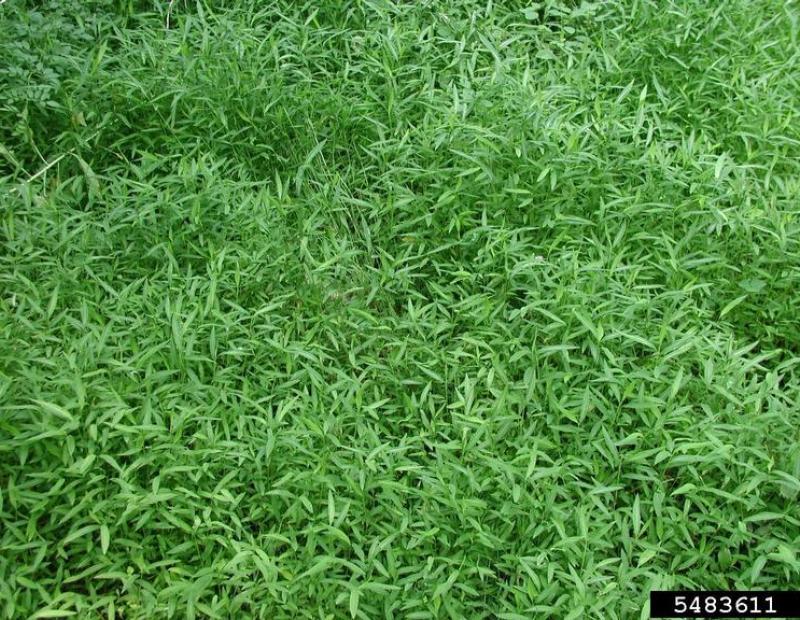
Japanese stiltgrass microstegium vimineum is bright green with a distinctive silvery stripe of reflective hairs along the midrib of each narrow lance shaped blade the leaves are one to three inches long and alternately arranged on a branched stalk resembling a smaller more delicate version of bamboo. Japanese stiltgrass microstegium vimineum is an invasive grass that poses a major threat to native biodiversity and restoration efforts in invaded areas. Preliminary research suggests that there may be potential biological control agents that can be used in a classical biological control program in the united states. Japanese stiltgrass is an annual grass with all plants dying each fall.
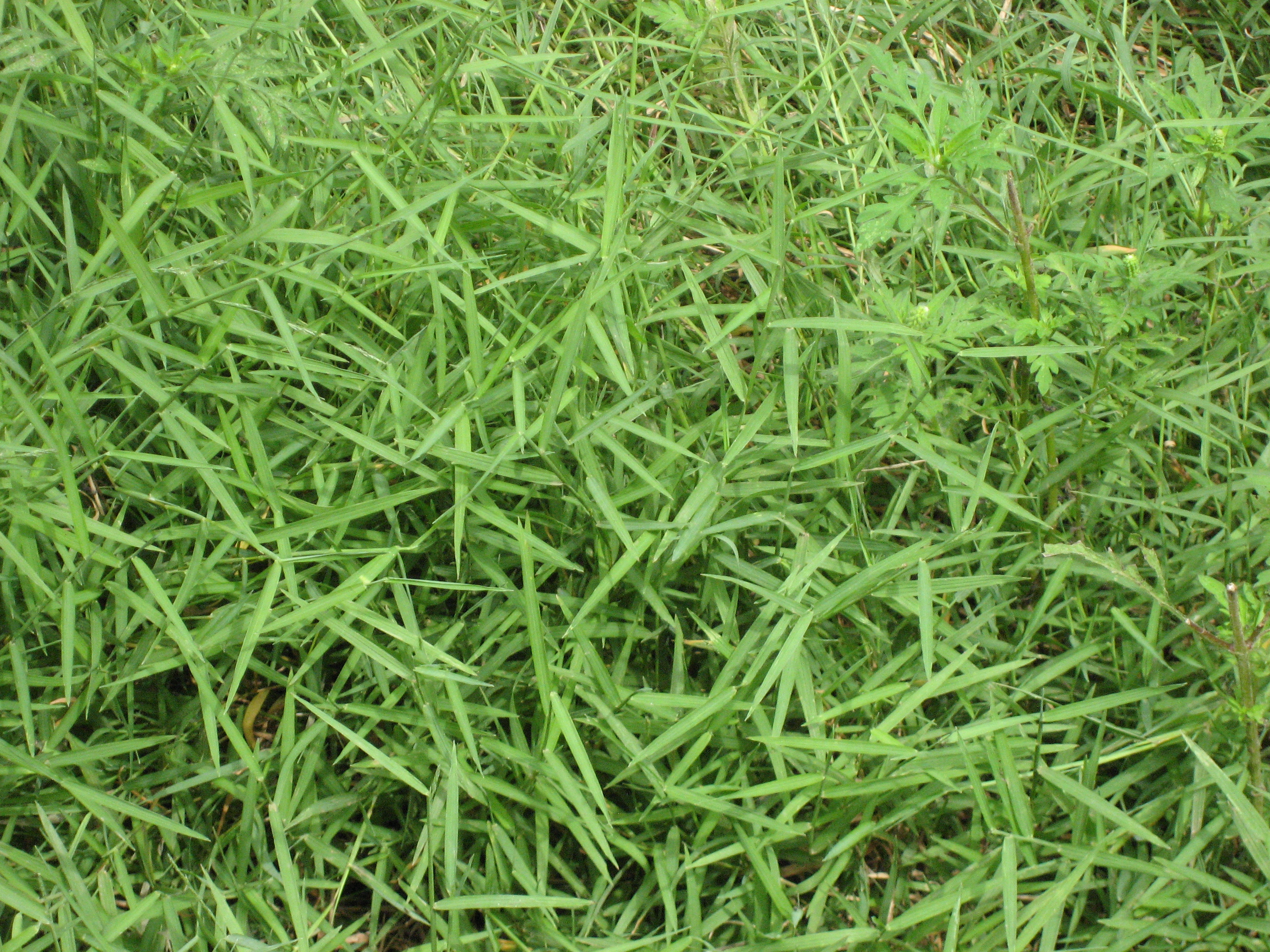
Tip Of The Week Removing Invasive Japanese Stilt Grass Plant Talk

Japanese Stiltgrass Microstegium Vimineum Invasive

Japanese Stiltgrass Microstegium Vimineum

Invasion Of The Japanese Stiltgrass Wvu Biologist Targets Plant That Wreaks Havoc

Tend To Japanese Stilt Grass Now Grass Invasive Plants Grass Seed
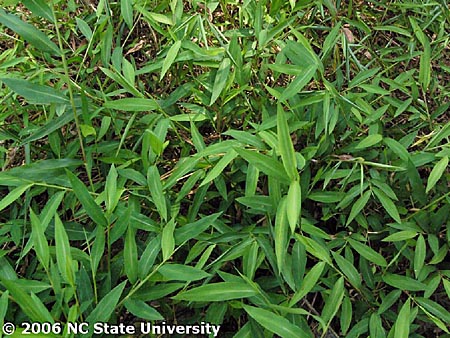
Stiltgrass Fairfax Gardening

Japanese Stiltgrass A Pesky Annual Grass You Should Get Rid Of Green Turf Care

Invasive Exotic Species Japaneses Stilt Grass U S Fish Wildlife Service
Fs1237 Japanese Stiltgrass Control In The Home Lawn And Landscape Rutgers Njaes
Microstegium Vimineum Lower Hudson Partnership For Regional Invasive Species Management
Invasive Species Management Polatin Ecological Services Llc

