Japanese Stiltgrass Minnesota

University Of Minnesota Botanist Discovers Feared Invasive Japanese Stiltgrass In Wisconsin News Break

University Of Minnesota Botanist Discovers Feared Invasive Japanese Stiltgrass In Wisconsin Flipboard

Invasive Discovery Japanese Stiltgrass News From The Minnesota Landscape Arboretum

Japanese Stiltgrass Microstegium Vimineum
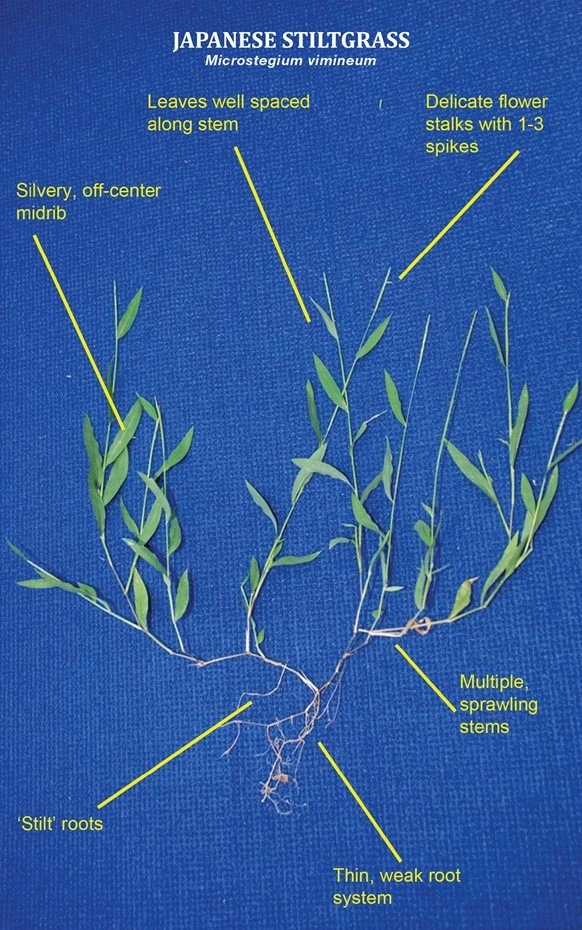
Japanese Stilt Grass Wisconsin Dnr
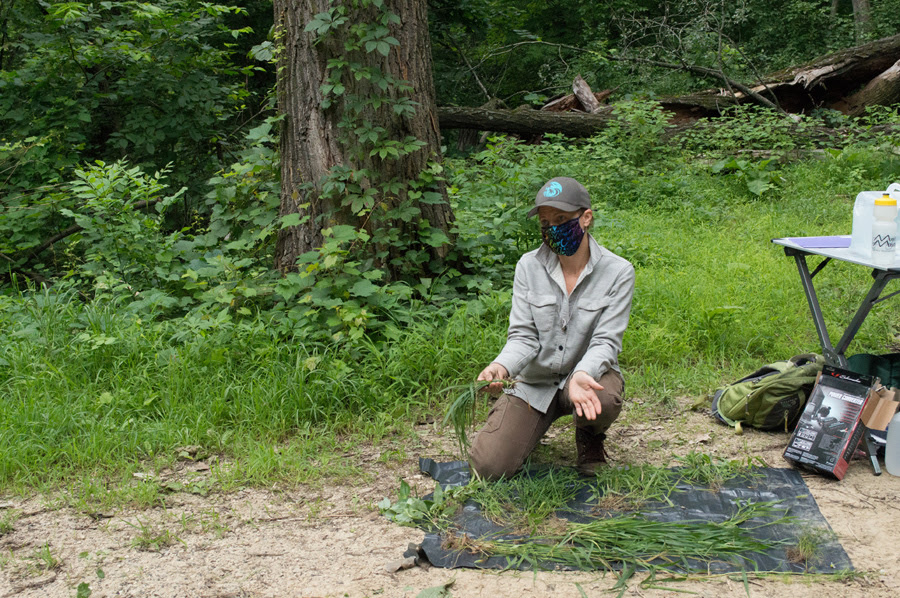
Botanists Identify And Contain A New Invasive Grass In Wisconsin Mid West Farm Report

Infestations can impact the diversity of native species reduce wildlife habitat and disrupt important ecosystem functions.
Japanese stiltgrass minnesota. Japanese stiltgrass microstegium vimineum was introduced into the united states in tennessee around 1919. Japanese stilt grass is one of those plants for wisconsin botanists and until this july japanese stilt grass hadn t been found in wisconsin said jason granberg a dnr invasive plant specialist. Mehrhoff university of connecticut the michigan dnr announced that japanese stiltgrass microstegium vimineum an invasive plant originating in asia recently has been positively identified on private property in scio township near ann arbor in. The recommendation for japanese stilt grass was based upon this literature review pdf developed by the department.
That changed on july 13 when amanda weise a botanist for the university of minnesota landscape arboretum was volunteering for dnr s rare plant monitoring program and saw the invasive grass. Japanese stiltgrass s leaves come to a point at both ends and often have a silvery stripe or mid rib near the middle. Microstegium vimineum commonly known as japanese stiltgrass packing grass or nepalese browntop is an annual grass that is common in a wide variety of habitats and is well adapted to low light levels. It has a narrow pointed shape with a stripe on the leaf.
Foliage turns purplish in the fall. Japanese stiltgrass microstegium vimineum also called nepalese browntop is an aggressive invader of forest lands throughout the eastern united states. Today stiltgrass has established itself as a major threat to plant life within the 16 eastern states it s found in. Photo courtesy leslie j.
It was discovered in wisconsin 20 miles from minnesota. Amanda weise a botanist with the university of minnesota was searching the woods of.

Update On Biocontrols For Invasive Plants Environment
Invasive Weed Puts State On Guard Star Tribune 8 23 2020
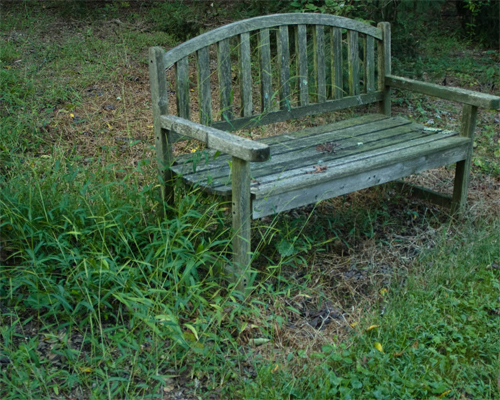
Fs1237 Japanese Stiltgrass Control In The Home Lawn And Landscape Rutgers Njaes

New Species Of Invasive Grass Found By Botanists In Wisconsin Wisconsin Examiner
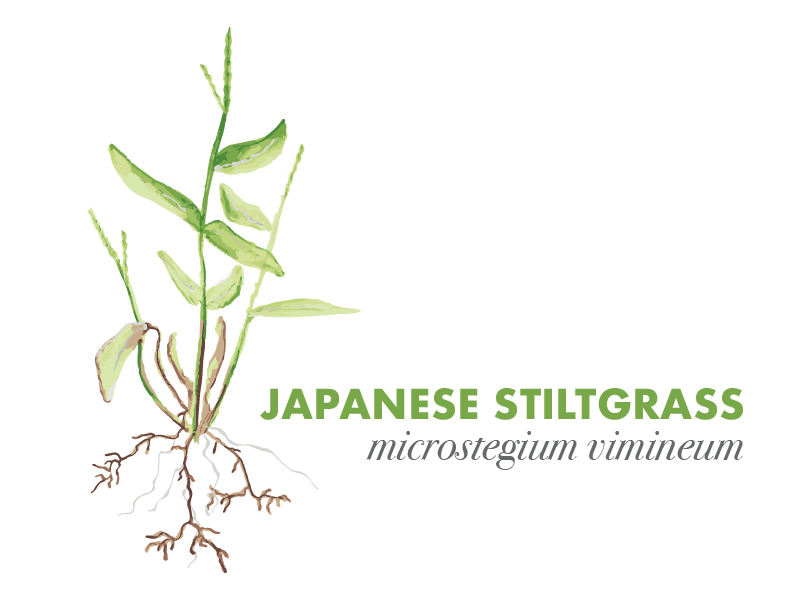
Japanese Stiltgrass Illustration By Kaylan Petrie On Dribbble

Highly Invasive Japanese Stiltgrass Microstegium Vimineum Backyard Plants Invasive Plants Plants
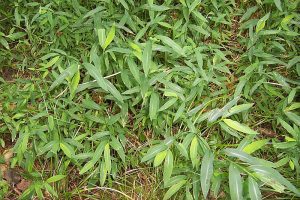
Learning And Managing Japanese Stiltgrass On Your Property

Microstegium Vimineum Wikiwand

The Best Native Grass You Ve Never Heard Of Humane Gardener
Native Plants With Adams Garden Making A Plan To Manage Japanese Stiltgrass
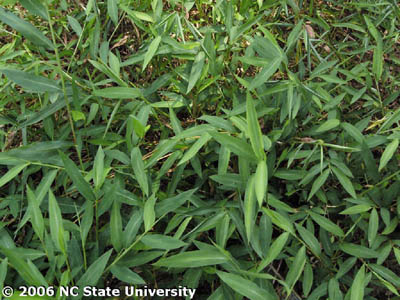
Top 5 Summer Weeds Fairfax Gardening


