Japanese Stiltgrass Usda

Plants Profile For Microstegium Vimineum Nepalese Browntop

Cornell Cooperative Extension Japanese Stiltgrass
Japanese Stiltgrass Eastern Forest Environmental Threat Assessment Center

Hoosier National Forest Resource Management

Japanese Stiltgrass Control In Allentown Bethlehem Lehigh County Pa Green Turf Care

Japanese Stiltgrass Microstegium Vimineum

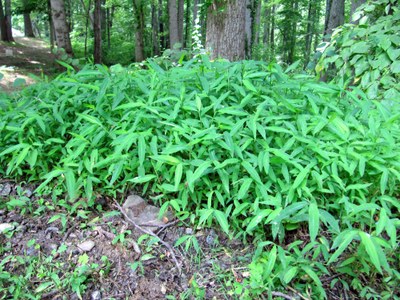
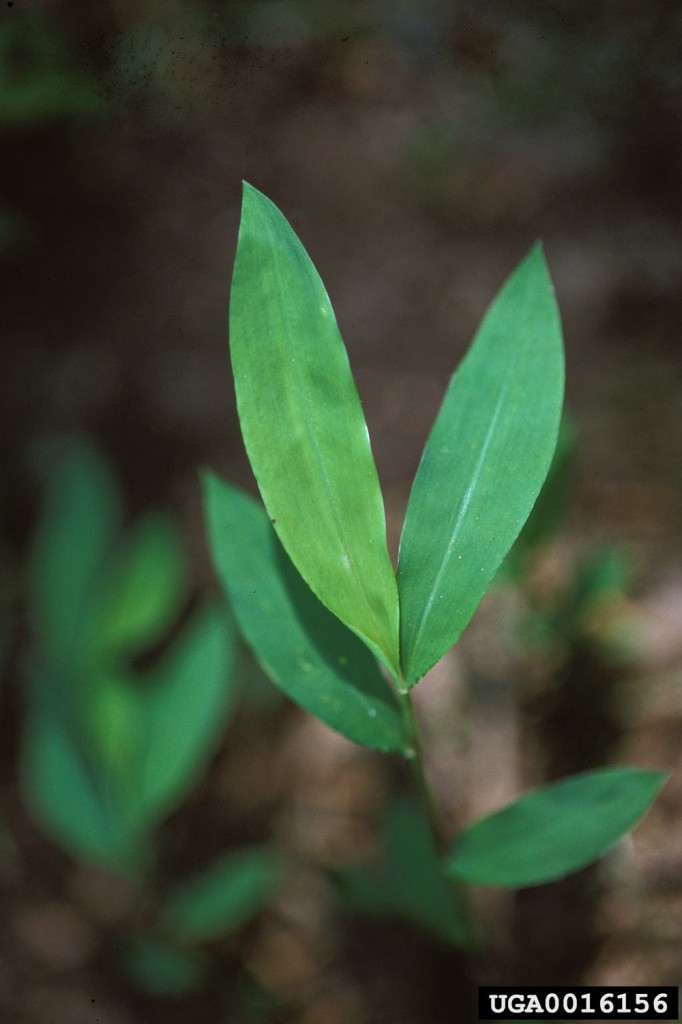
Japanese stiltgrass microstegium vimineum is bright green with a distinctive silvery stripe of reflective hairs along the midrib of each narrow lance shaped blade the leaves are one to three inches long and alternately arranged on a branched stalk resembling a smaller more delicate version of bamboo.
Japanese stiltgrass usda. Japanese stiltgrass nepalese browntop chinese packing grass annual stilt grass bamboo grass eulalia mary s grass ashi boso japanese for slim foot the east asian provenance of this invasive plant was arbitrarily attributed to japan early in the 19th century. Has a weak and shallow root system. Japan korea china malaysia and india background japanese stiltgrass was introduced into the united states in tennessee around 1919 and likely escaped as a result of its use as a packing material for porcelain. Cited keywords genetic structure invasive local dispersal microsatellites related search.
The essence of japanese stiltgrass. Japanese stiltgrass microstegium vimineum is an invasive grass that threatens native plants and natural habitats in the eastern united states native to japan china central asia and india. Growth habit bright green grass has silver hairs down the center of its short bamboo like blade. Japanese stiltgrass microstegium vimineum.
South national technical center fort worth. Grows up to 2 ft. Japanese stiltgrass microstegium vimineum is an invasive annual grass. It grows anywhere and spreads everywhere.
Invasive plant science and management. Regional and local genetic variation in japanese stiltgrass microstegium vimineum. Japanese stilt grass nepalese browntop. Japanese stiltgrass microstegium vimineum also called nepalese browntop is an aggressive invader of forest lands throughout the eastern united states infestations can impact the diversity of native species reduce wildlife habitat and disrupt important ecosystem functions.
Vimineum was originally documented in tennessee in 1919 and is believed to have been accidentally introduced to the united states through its use as a packing material. It occurs in areas of open soil that are generally not already occupied by other species. This article displays images to assist with identification and provides recommendations for control including a management calendar and treatment and timing table. Field office guide to plant species.
Camus grass family poaceae origin. Closeup of leaf blade. Japanese stilt grass is adapted to low light conditions and threatens native under story vegetation in open to shady locations. Japanese stilt grass appears to be associated primarily with moist acidic to neutral soils that are high in nitrogen.

Japanese Stiltgrass Microstegium Vimineum Cyperales Poaceae 0016160
Japanese Stiltgrass Finger Lakes Prism

Japanese Stiltgrass

Japanese Stiltgrass Invasive Plants Of Pittsburgh Inaturalist

Invasive Plants In Northern Virginia Japanese Stiltgrass Master Gardeners Of Northern Virginia

Japanese Stiltgrass Microstegium Vimineum Cyperales Poaceae 1268029

Rcpp Blue Ridge Prism Landowner Programs Expansion Nrcs Virginia
Japanese Stiltgrass Microstegium Vimineum Cyperales Poaceae 2119021

Northern Research Station

Pca Alien Plant Working Group Japanese Stiltgrass Microstegium Vimineum

Japanese Stiltgrass University Of Maryland Extension


