Japanese Stiltgrass Wisconsin

Japanese Stiltgrass Invasive Plants Association Of Wisconsin
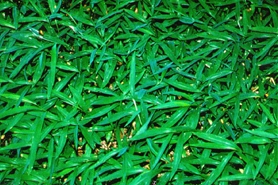
Japanese Stilt Grass Wisconsin Dnr

Japanese Stiltgrass Microstegium Vimineum Invasive

Water Lily House On The Rock Wisconsin House On The Rock Fall Travel Flowers

Japanese Stilt Grass Microstegium Vimineum Pest Tracker Caps Services

Invasive Discovery Japanese Stiltgrass News From The Minnesota Landscape Arboretum
Vimineum was originally documented in tennessee in 1919 and is believed to have been accidentally introduced to the united states through its use as a packing material.
Japanese stiltgrass wisconsin. Japanese stiltgrass microstegium vimineum. Japanese stilt grass microstegium vimineum annual grass that is generally 1 3 tall but will also spread in a mat like manner. Japanese stiltgrass s leaves come to a point at both ends and often have a silvery stripe or mid rib near the middle. To promote better stewardship of the natural resources of wisconsin by advancing the understanding of invasive plants preventing their introduction and encouraging the control of their spread our supporters.
It is native in much of south asia east asia and parts of southeast asia and has since moved to the united states. Other names for this plant include. That changed on july 13 when amanda weise a botanist for the university of minnesota landscape arboretum was volunteering for dnr s rare plant. Japanese stilt grass can spread vegetatively by rooting at the nodes as well as by seed.
In 2020 japanese stiltgrass was found in wisconsin. Japanese stiltgrass microstegium vimineum. Camus synonym microstegium imberbe nees ex steud tzvelev synonym microstegium willdenowianum nees synonym. It typically grows to heights between 40 and 100 cm 1 3 and 3 3 ft and is capable of rooting at each node the plant flowers in late summer and produces its seeds in the form of a caryopsis.
Photo courtesy leslie j. Andropogon vimineum trin a. Looking like a small bamboo plant japanese stiltgrass prospers in most eastern states growing in sun or shade and preferring moist habitats. Camus synonym eulalia viminea trin a.
Japanese stilt grass is one of those plants for wisconsin botanists and until this july japanese stilt grass hadn t been found in wisconsin said jason granberg a dnr invasive plant specialist. Japanese stiltgrass microstegium vimineum also called nepalese browntop is an aggressive invader of forest lands throughout the eastern united states infestations can impact the diversity of native species reduce wildlife habitat and disrupt important ecosystem functions. The stems are hairless and branched with upward pointing tips. Japanese stilt grass japanese grass mary s grass nepalgrass basketgrass microstegium nepalese browntop chinese packing grass related scientific names.
Introduced to the united states around 1918 this annual asian exotic invasive likely arrived in packing material for fine porcelain destined for tennessee.

Japanese Stilt Grass Microstegium Vimineum Wisconsin
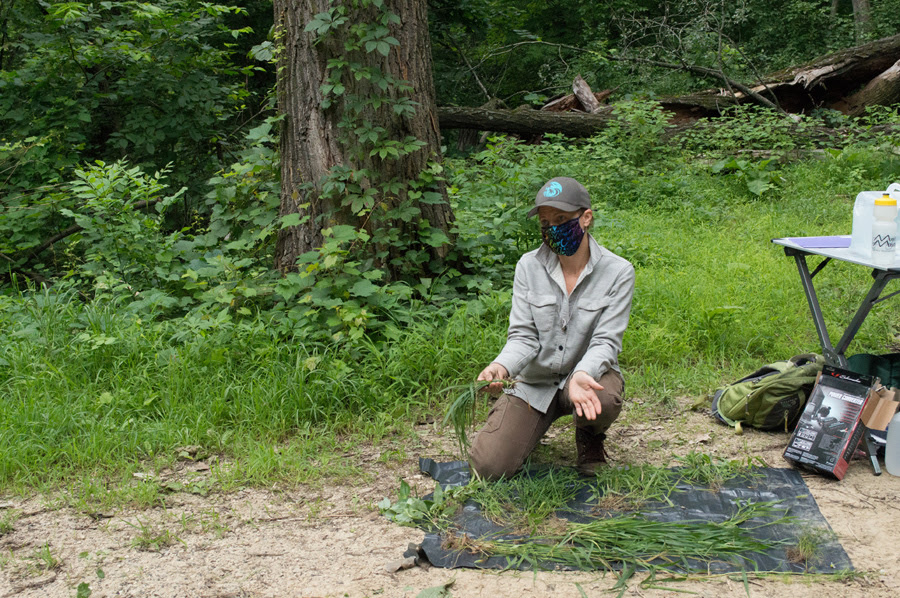
Botanists Identify And Contain A New Invasive Grass In Wisconsin Mid West Farm Report

Cheatgrass Bromus Tectorum Cyperales Poaceae Invasive Plant Atlas Of The United States Poaceae Brome Invasive Plants

University Of Minnesota Botanist Discovers Feared Invasive Japanese Stiltgrass In Wisconsin News Break

Biron Residents Show Off Gardens Resident Shows

Japanese Stiltgrass
Https Bugwoodcloud Org Mura Mipn Assets File Midwest 20invasives 20fact 20sheets Pdf Japstilt Pdf

Ipm1024 Identifying Grass Seedlings Page 11 Invasive Species Invasive Plants Grasses Garden
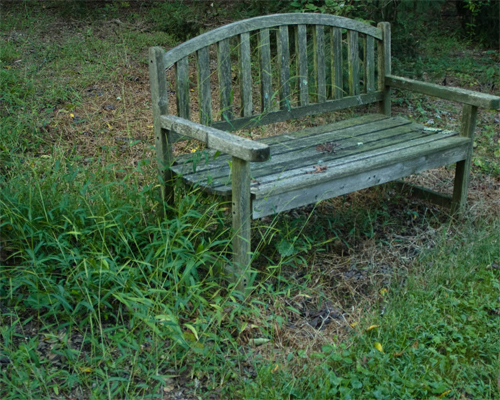
Fs1237 Japanese Stiltgrass Control In The Home Lawn And Landscape Rutgers Njaes

Safely Get Rid Of All The Oriental Bittersweet That Spreads Around The Southwest Of My Yard Invasive Plants Plants Plant Pests

University Of Minnesota Botanist Discovers Feared Invasive Japanese Stiltgrass In Wisconsin Flipboard


