Japanese Ume Tree Nursery

Japanese Plum Ume Blossom Spring Flowering Trees Cherry Blossom Girl Flowering Trees

Ume Japanese Flowering Plum Trees Youtube

Japanese Plum Blossom Ume Flower Seeds 20pcs In 2020 Prunus Mume Japanese Plum Apricot Blossom

Wood Bracelet Flower Resin Bracelet Real Flower Bracelet Smartyleowl Resin Art Resin Jewelry Resin Diorama In 2020 Plum Tree Blossom Trees Sakura Tree
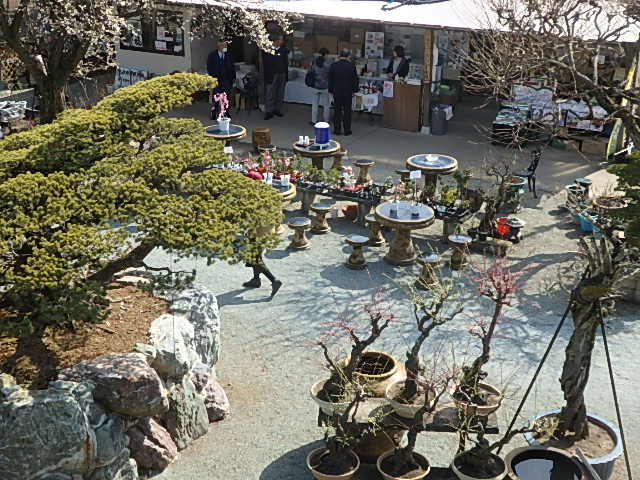
Words From A Classical Japanese Poem Lover Potted Bonsai Ume Japanese Apricot Trees Tell Late Arrival Of Spring

Suzuka Forest Garden Best Place To See Plum Blossoms In Japan Forest Garden Japanese Plum Tree Plum Blossom

The pale rose colored blossoms have a lovely fragrance and appear in late february or march.
Japanese ume tree nursery. The eating of the pickled fruit for breakfast is also supposed to stave off misfortune. This is the tree whose fruit ume you need to make umeboshi plum vinegar and. Trees over 1 000 years old continue to bloom and produce fruit along the yangtze river basin. You have a choice of a two hour intensive or a whole day four hour workshop the workshops usually start at 11am to 1pm for the two hour intensive and from 11am 4pm with an hour s break for lunch for the whole day workshop.
Japanese tradition holds that the ume functions as a protective charm against evil so the ume is traditionally planted in the northeast of the garden the direction from which evil is believed to come. After making its way eastward the species became known as the japanese sour plum or flowering apricot. Its apricot heritage is apparent in the fruit as well as the leaves. You can learn any aspect of bonsai in this class.
Shiro kaga is a popular variety of the highly valued ume fruiting japanese apricot which produces small 3 4 to 1 inch fruits that are often pickled and used to make umeboshi paste. These ume tree blossoms have been the subject of many of asia s master painters. The japanese plum tree also known as ume prunus mume is in fact an apricot and originates not from japan but rather the mountains of southwestern china regardless this is another iconic tree of japan famous not only for its early flowering often while the snow still falls but also for its extremely sour fruits which are used liberally in japanese cuisine from pickles to sauces. Umeboshi translates as dried plums although it has also been commonly translated as salt plums.
Proof that inner strength and beauty always triumph over adversity. All our workshops are hands on sessions for all abilities ranging from beginner to advanced levels.


Plum Blossoms At The Furuen Park Ume Matsuri A Short Escape In Yamanashi Taiken Japan

Trees Of Ume A Japanese Apricot Blossom At Jonangu Shrine Kyoto Japan Apricot Blossom Blossom Trees Blossom

Ume Blossoms Viewing At Osaka Castle Park From Stardust English Talk Japan Garden Osaka Castle Blossom

Prunus Y Ume Y The Adventuring Gardener

National Flower Of The Republic Of China Wikiwand In 2020 Prunus Mume Plum Flowers Plum Blossom

Bungo Flowering Apricot In 2020 Fruit Trees For Sale Apricot Tree Flower Pot Design

Ume Japan By Tiquis Miquis Beautiful Flowers Flowers Love Flowers

Pin Oleh Johan Lim Di Flower Bonsai Bunga Taman

Shohin Bonsai Japan Shohin Exhibition Japan Bonsai Tour 2016 Bjorvala Bonsai Bonsai Tree Bonsai Nursery


